



Ozone approache
The clinic incorporates ozone treatment in complete care programs for patients.
How does Ozone affect cancer cells?
- By selectively increasing antioxidant enzyme activity in healthy cells, ozone protects against side effects of chemo/radiation
- May increases chemo/radiation efficacy by adding additional oxidant stress
- May decreases resistance of chemo
- May induces anti-cancer cytokines: TNF, IFN, IL2
- May support overall physiological processes during treatment
- Many normalize “marginal” cancer cells by stimulating pyruvate to acyl-CoA conversion
- May stimulate apoptosis
Why do patients choose Ozone therapy?
It improves the quality of life, as well as stimulating the immune system to speed up healing, normalizing hormone, and enzyme production.
Ozone therapy is used to inactivate bacteria, viruses, fungi, parasites, yeast, and protozoa.
It can be used at various stages throughout the treatment process improving circulation by cleaning the arteries and veins, purifying blood and the lymph and reducing pain thanks to its anti-inflammatory properties.
Some experimental and laboratory studies have explored potential biological effects of ozone; however, ozone therapy in our clinic is used only as supportive therapy and does not replace oncological treatment prescribed by a physician.
Share
Features


Reviews
5
Ich hatte die Wahl, die Multi-Peptid-Impfstoffbehandlung entweder in meinem Heimatland oder in Lettland durchführen zu lassen. Da ich Rentner bin und auf meine Finanzen achten muss, habe ich mich für Lettland entschieden. Ich hoffe sehr, dass alles gut wird. Bisher fühle ich mich gut und habe nach den ersten drei Injektionen keine Nebenwirkungen festgestellt.
Beauty
5
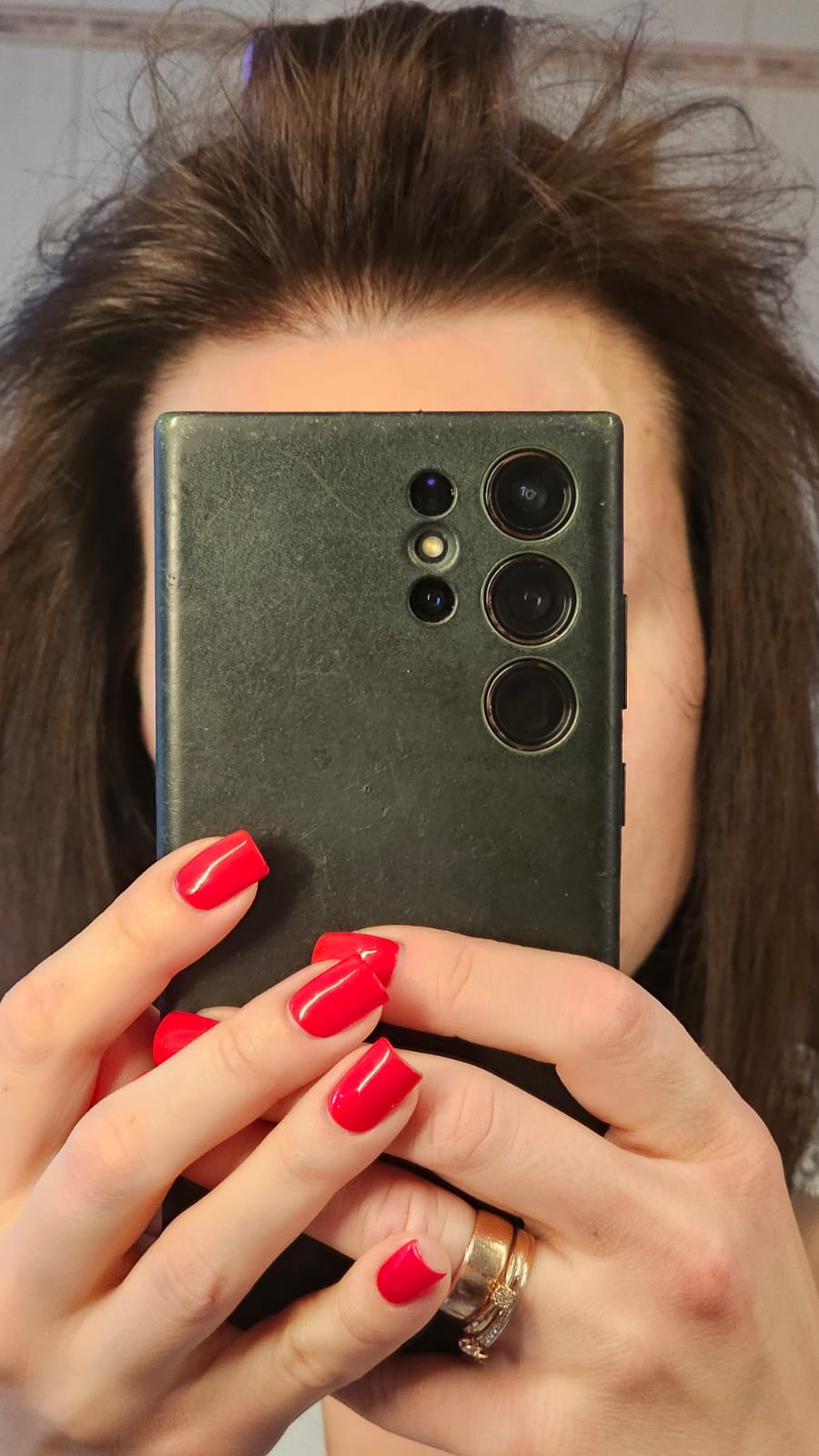
After giving birth, my hair started falling out a lot. No matter what I tried, nothing worked, so I started searching for more effective treatments and came across a clinic that offers hair mesotherapy. I decided to give it a try—what did I have to lose? I was pleasantly surprised when my hair began to grow back quickly and thickening. The hairstylists even started calling me "lioness." Special thanks for the vitamin C—it boosted my immunity. In the past 7 months, I've only been sick once, and I recovered in just 3 days.